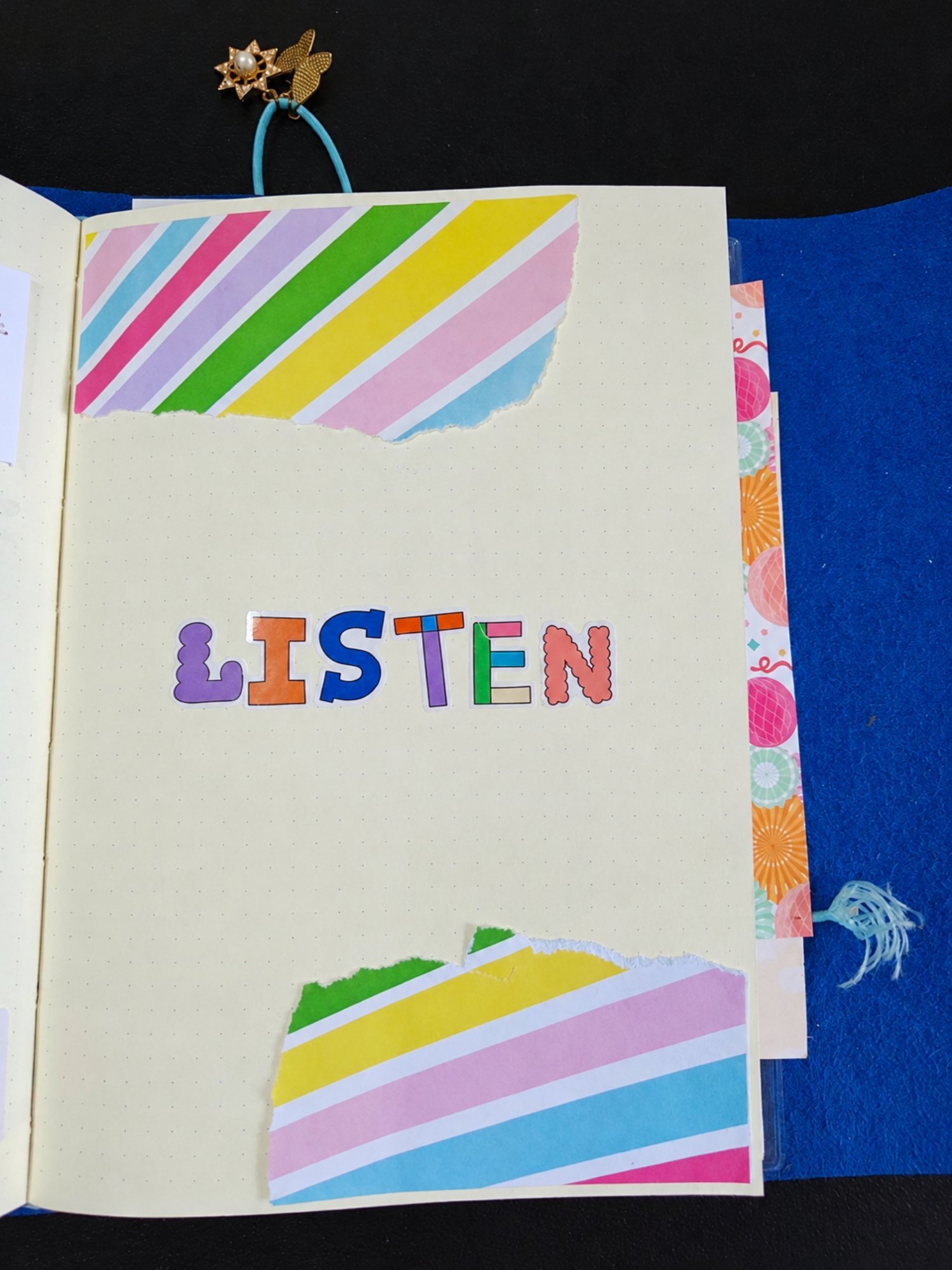
Today I Must Listen

There are friends who listen, and listen well. Then there are those who pretend to listen. Then there are those who tell you they'll listen, but when you meet, they still talk about themselves after they listen to you for five seconds. Then there are those who don't even pretend to listen at all.

Of course we've been all those at one point or another, but hopefully, you have the discernment and sensitivity to know when you have to be the one to really listen.

Listening is really a lost art. We sometimes love hearing the sound of our own voice too much that we fail to hear other voices or we shout over the other voices that are just trying to tell their own stories or we fail to ask the stories of those that are too shy or awkward to make their voices be heard.

But if you really closely listen to other people instead of talking over them or impatiently waiting for your turn to talk without really hearing them, you'll discover some pretty amazing things and amazing people. Every person has an interesting story to tell, whether it's something they've experienced or an anecdote or some interesting insights.

Listening also means that you don't have to give advice or solutions. Sometimes all they need is someone to listen to them and to ask questions as they tell their story. Sometimes that person is you. But also, sometimes, you're the one that's called to listen.


IF YOU NEED TO DO SOMETHING

Set a date with a friend whom you think is going through something and let them know you’re just there to listen.


JOURNALING PROMPT

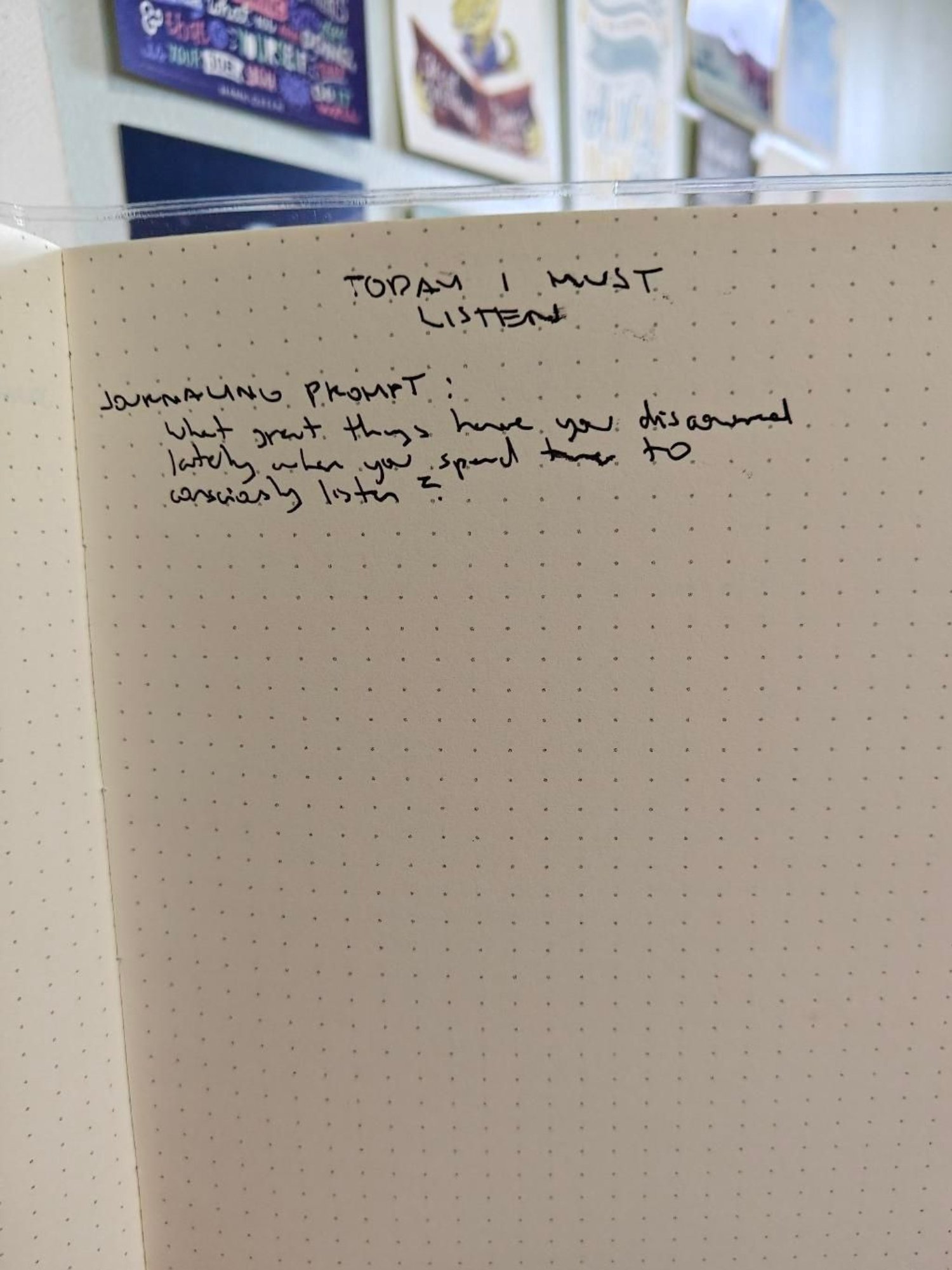
What great things have you discovered when you spend time to consciously listen? 
Today I Must Take Care of Myself

We’ve seen the “self-care is not selfish” idea bandied about in social media the past few years. It seems like a pretty great hashtag to add to your posts about taking a break, going on vacation, having a spa day, etc. But when it comes to actually taking time to take care of yourself, in mind, body, and spirit, do we take it seriously or do we take ourselves for granted? 

A few months ago I had a medical emergency which is basically a result of me not taking care of myself and ignoring symptoms that something was wrong. Self-care is not just a hashtag. It's really changing how you live your life. It's being intentional about things like eating well, getting enough rest, starting/restarting healthier habits, taking up new hobbies for your heart, etc. It's not something you do during the weekends or schedule once a week. It's making a decision every day to do small and big things to take care of yourself.

A lot of times we think that taking care of ourselves is selfish, self-indulgent, and un-Christian. But how can we be of service to others if our mind, body, and spirit are all out of shape? Just like how flight attendants remind us to put the oxygen mask on first before assisting others, we also need to make sure that we are staying healthy in all aspects so that we can fulfill our purpose on earth as long as we are still here.


IF YOU WANT TO DO SOMETHING:

Choose to start a healthy (physical, mental, or spiritual) habit today and do it consistently for 28 days until it becomes part of your routine. 


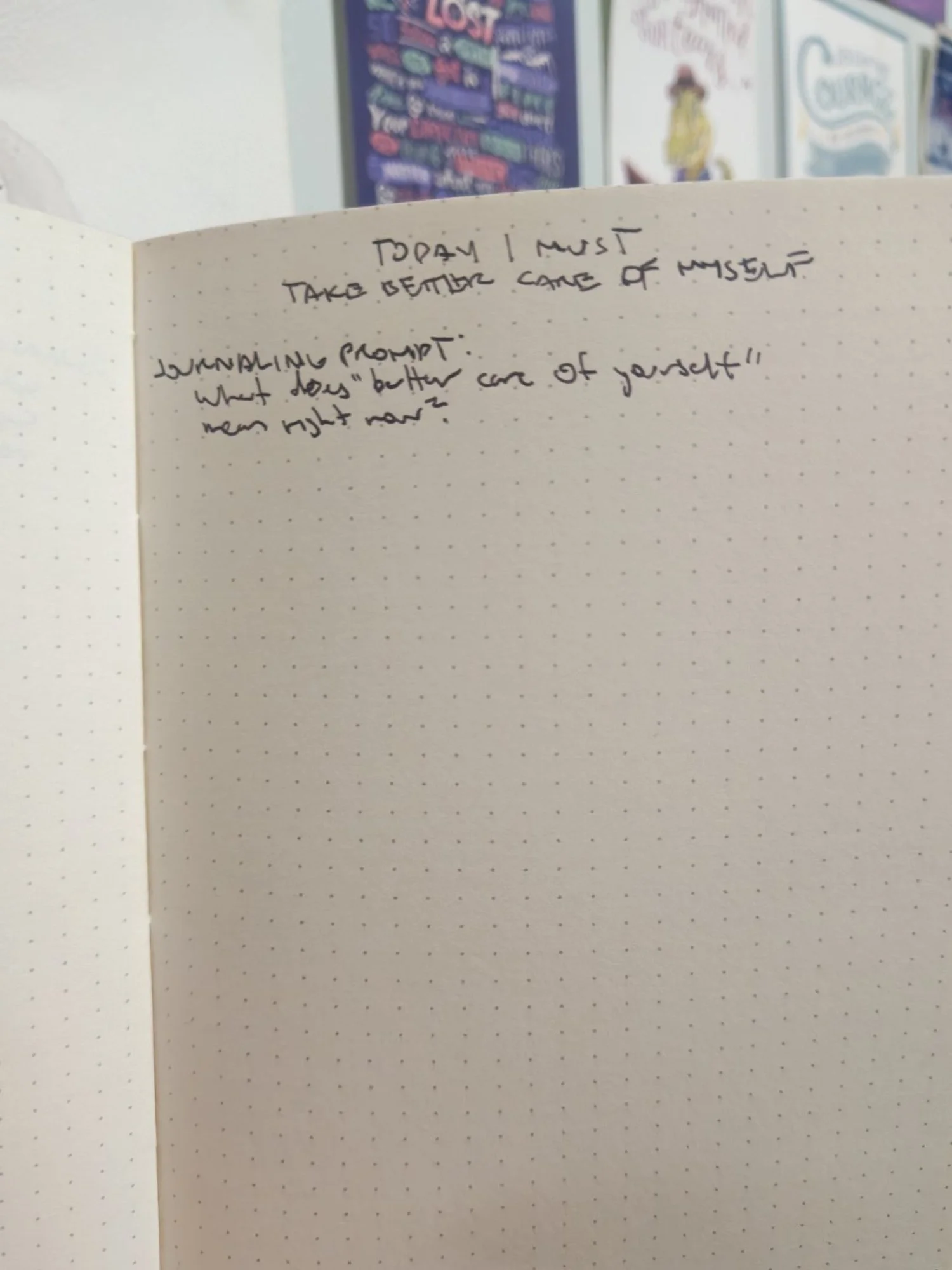
JOURNALING PROMPT:

What does taking better care of yourself mean right now?


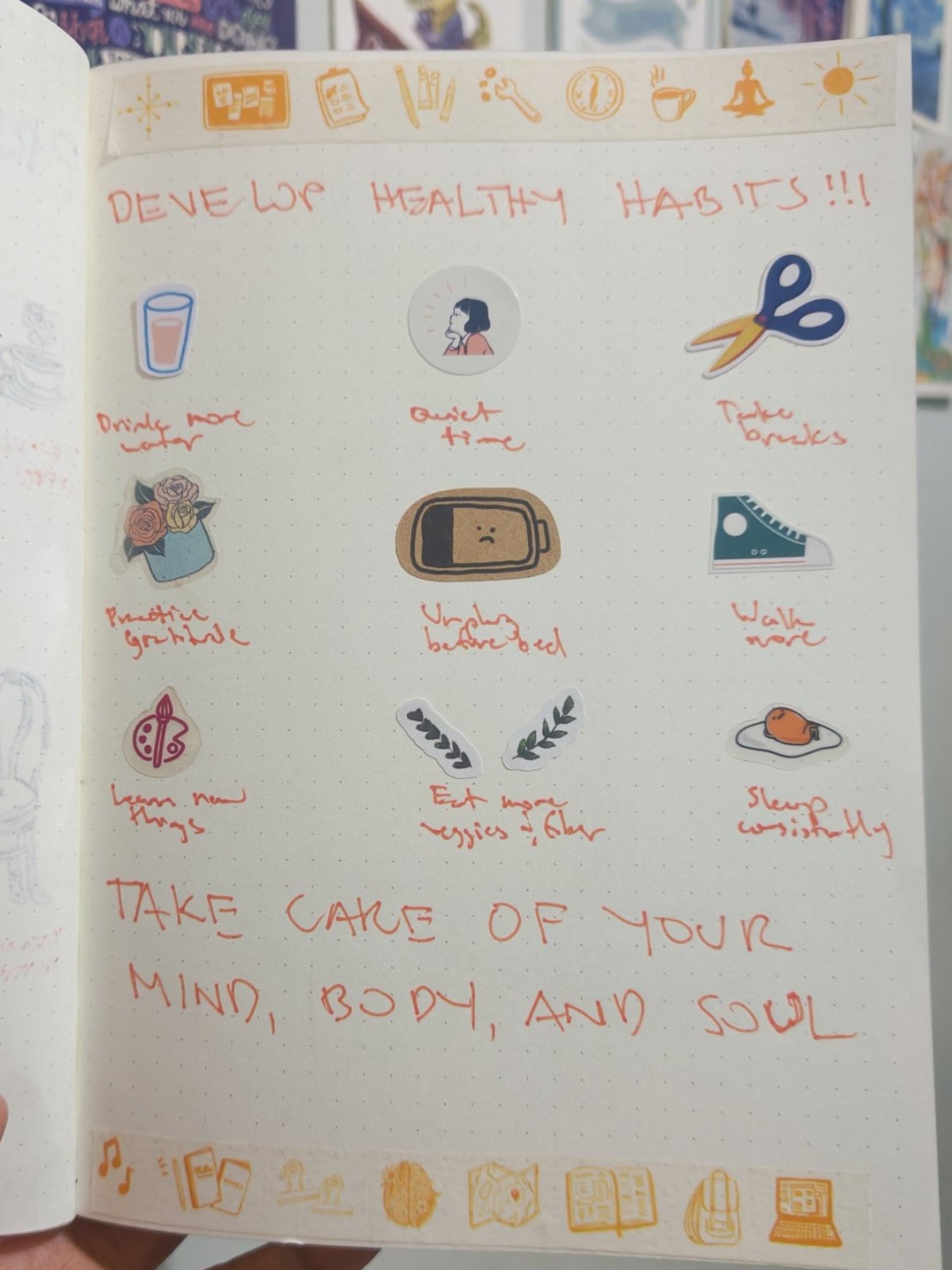
DEVELOP HEALTHY HABITS

  • Drink more water - A lot of our health problems start when we drink other liquids more than actual water

  • Quiet time - Spend a few minutes / hours quietly without doing anything. Pray, meditate, rest.

  • Take breaks - Be intentional about taking mini-breaks throughout the day

  • Practice gratitude - Write it down, post it, tell someone you're grateful for them

  • Unplug before bed - Put screens away 30 minutes before bed time

  • Walk more - Walk 10 minutes after every meal. Walk outside longer when you can.

  • Learn new things - You're never too old to learn new things

  • Eat more veggies and fiber - Chia seeds, leafy greens, oatmeal, legumes

  • Sleep consistently - Sleep 6-8 hours a day and do it at consistent times

Today I Must Start Journaling

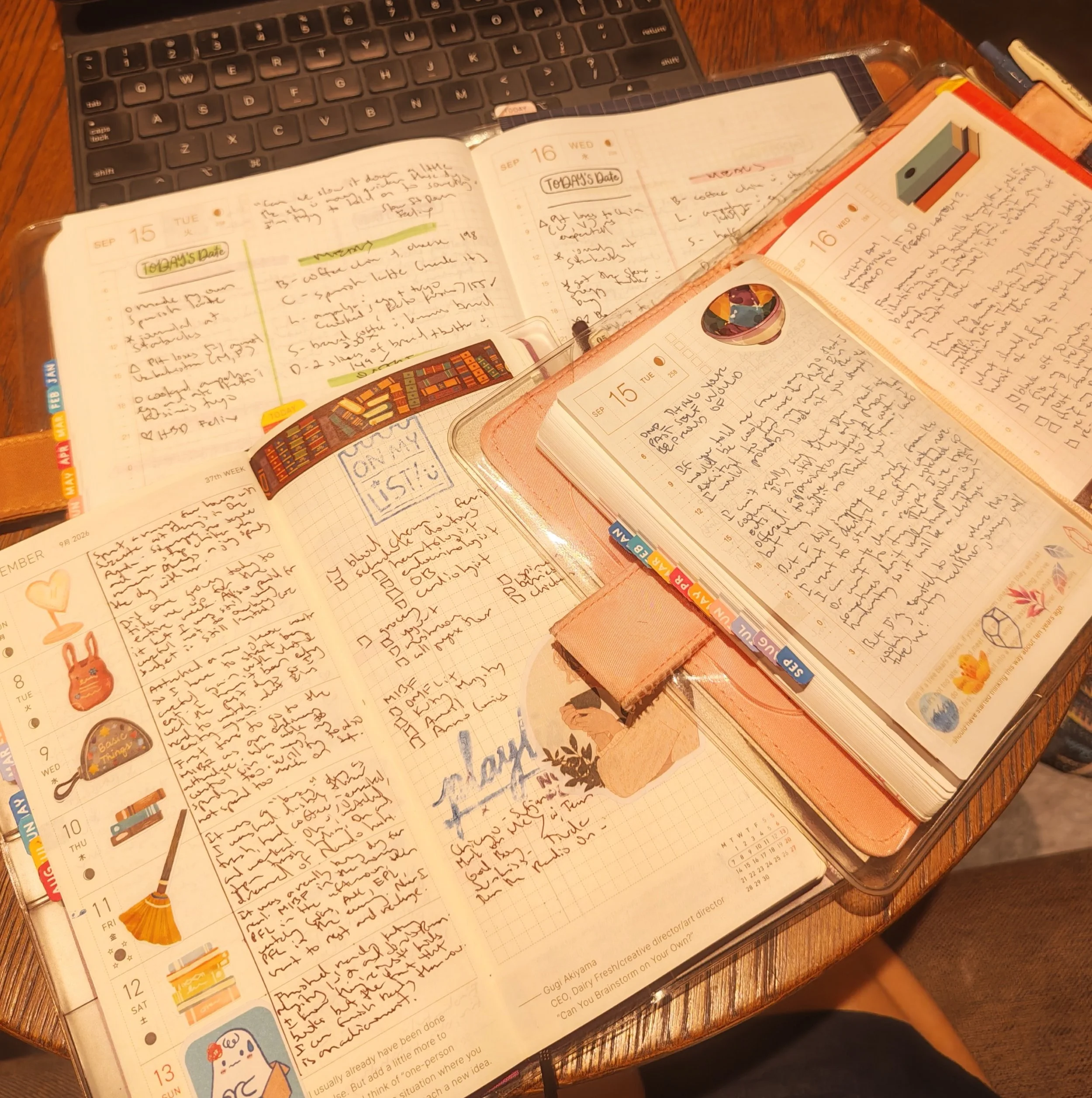
As we’ve already established, I’m a huge advocate of journaling, whether it’s to help you be more organized, for scrapbooking or memory keeping purposes, to help you process your feelings, as an outlet for creativity, or just to manage your overall mental health. Don’t think you need to have all the tools like stickers and fountain pens and washi tapes or that you need to be a great writer before you start. All you need is a blank page and a pen (or your notes app) before you start writing, sketching, or just jotting down random things.

The important thing is that you figure out first why you want to journal and what will be its main purpose in your life. Then choose a good time to schedule your journaling and keep that time “sacred”. Then just start journaling, whether you want to document your life, write out your feelings, or help set goals and targets. 

Most importantly, remember that you're journaling for yourself. It's not just something to add to your to-do list or to post on your Instagram or to buy stationery so you can use them (and please, use them). You're doing this to benefit yourself and you write or create for your own eyes. It's great to share what you can but don't think about your audience. Just journal for yourself.

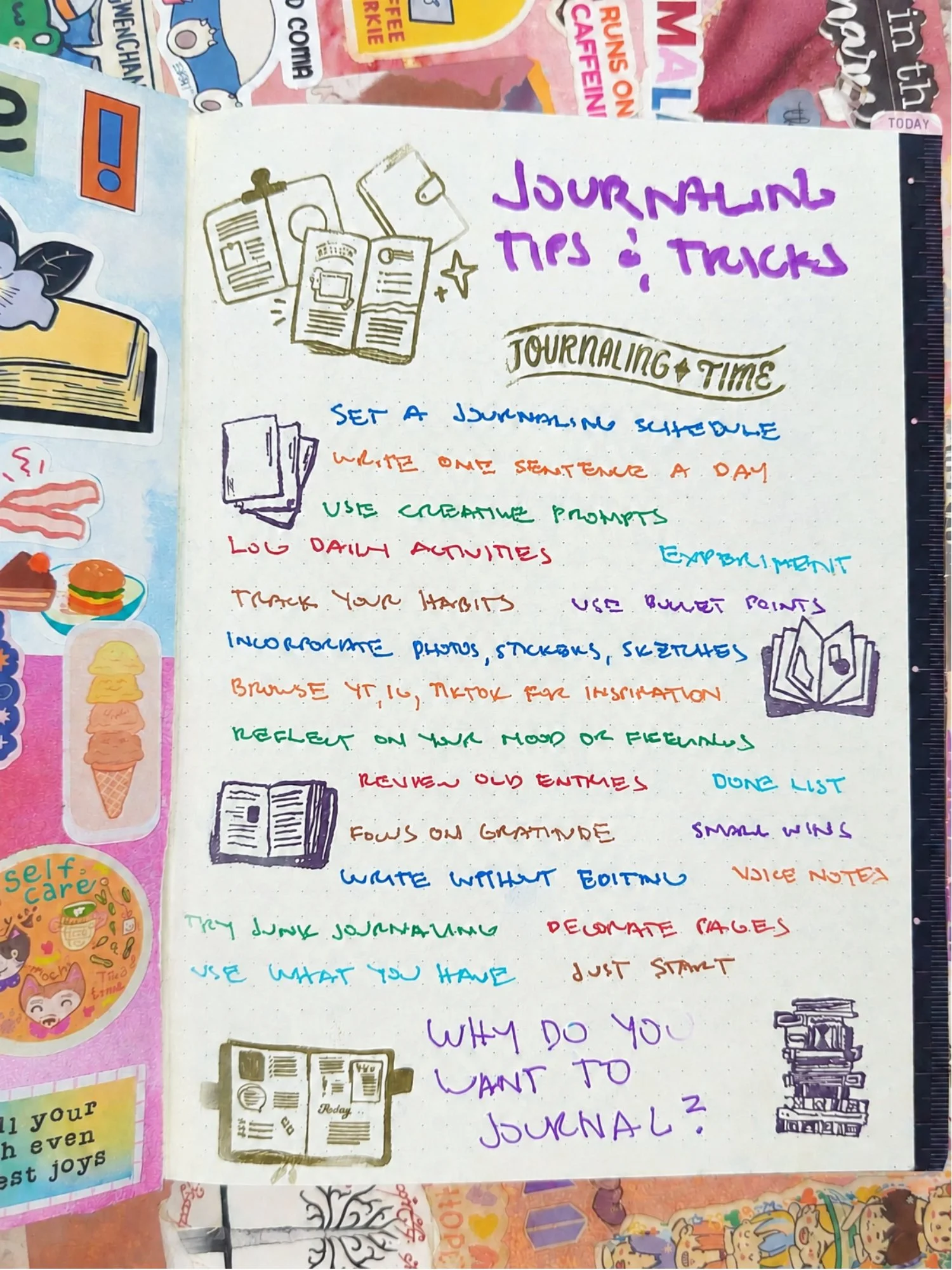
Here are a few short tips and tricks I've learned over the years:

  1. Set a journaling schedule (and keep it whenever you can)

  2. Try writing one sentence a day just to get the hang of it (you'll be writing paragraphs soon)

  3. Use creative prompts (just search IG, Tiktok, or even just Google)

  4. Log daily activities (especially when you're forgetful)

  5. Experiment! There's no right or wrong way to journal.

  6. Track your habits

  7. Use bullet points if you don't like long-form writing

  8. Incorporate photos, stickers, sketches, stamps, etc into your pages

  9. Browse YouTube, Instagram, Tiktok for inspiration (but don't be pressured to be like them)

  10. Reflect on your mood or feelings (if nothing really "happend" during the day)

  11. Review old entries regularly (to see how far you've come)

  12. Create a done list instead of a to-do list (things you've accomplished/finished)

  13. Focus on gratitude (your journal can just be a gratitude journal)

  14. Write down small wins, no matter how simple or trivial

  15. Write without editing (just write what you want and/or feel)

  16. Try voice notes if you don't feel like writing

  17. Try junk journaling (use receipts, labels, napkins, papers, etc)

  18. Decorate your pages if you don't like just looking at your writing

  19. Use what you have (and it can be a pen and paper only)

  20. Just start journaling.


IF YOU WANT TO DO SOMETHING:

Start your first journaling page (if you haven’t yet) or spend 10 minutes just journaling today.


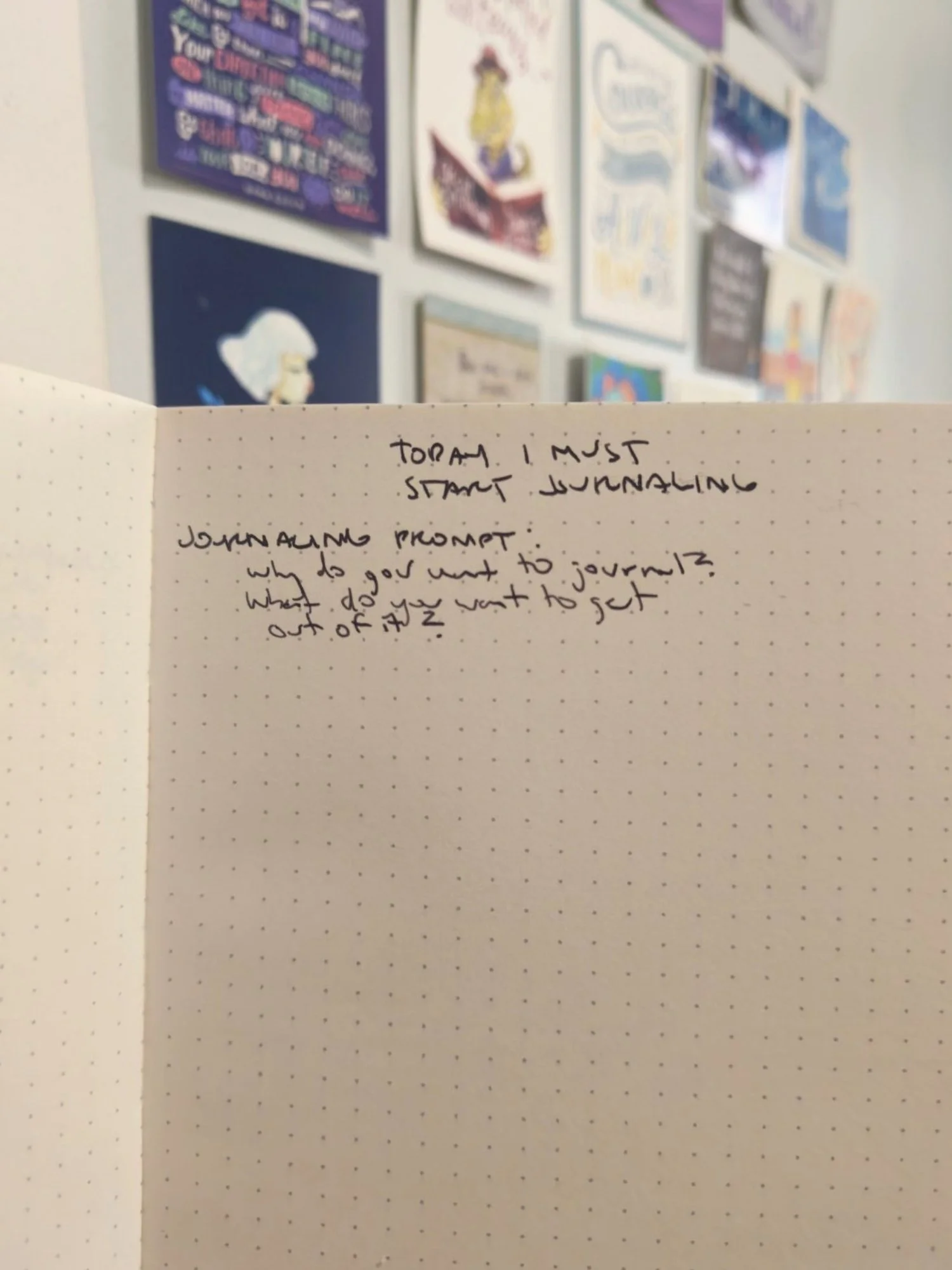
JOURNALING PROMPT:

Why do you want to start journaling? What will be its purpose in your life? 

Today I Must Talk to Someone

When I’m in the midst of depression or even just a sad period, my first instinct is to just keep it to myself and deal with it on my own. I know that I'm not in a good place when I would rather justc cancel plans or choose not to see anyone. There are times when that works or you need to do that if you need more self-reflection and time on your own to process your feelings. But there are also times when it will get to be too much and you're just choosing to retreat into yourself because it's easier. It's harder to be vulnerable and to tell someone, "I need to talk" or "I need help".

Reaching out and talking to someone, whether it’s a peer, a mentor, a counselor, a leader, is very important when you know that you are spiraling and you are not handling things well. Do not think that you are just being a burden to another person by sharing your troubles. We are not meant to go through life alone and sometimes, all you need is to be able to tell another person what you are going through. They may not always be able to give you advise but you can have someone help you process your feelings or your situation. Sometimes even, you just need someone to listen to you as you unburden yourself.


IF YOU WANT TO DO SOMETHING:

Set a date with a trusted friend that you can talk to (and ask permission if they’re in a good head space to listen to you)


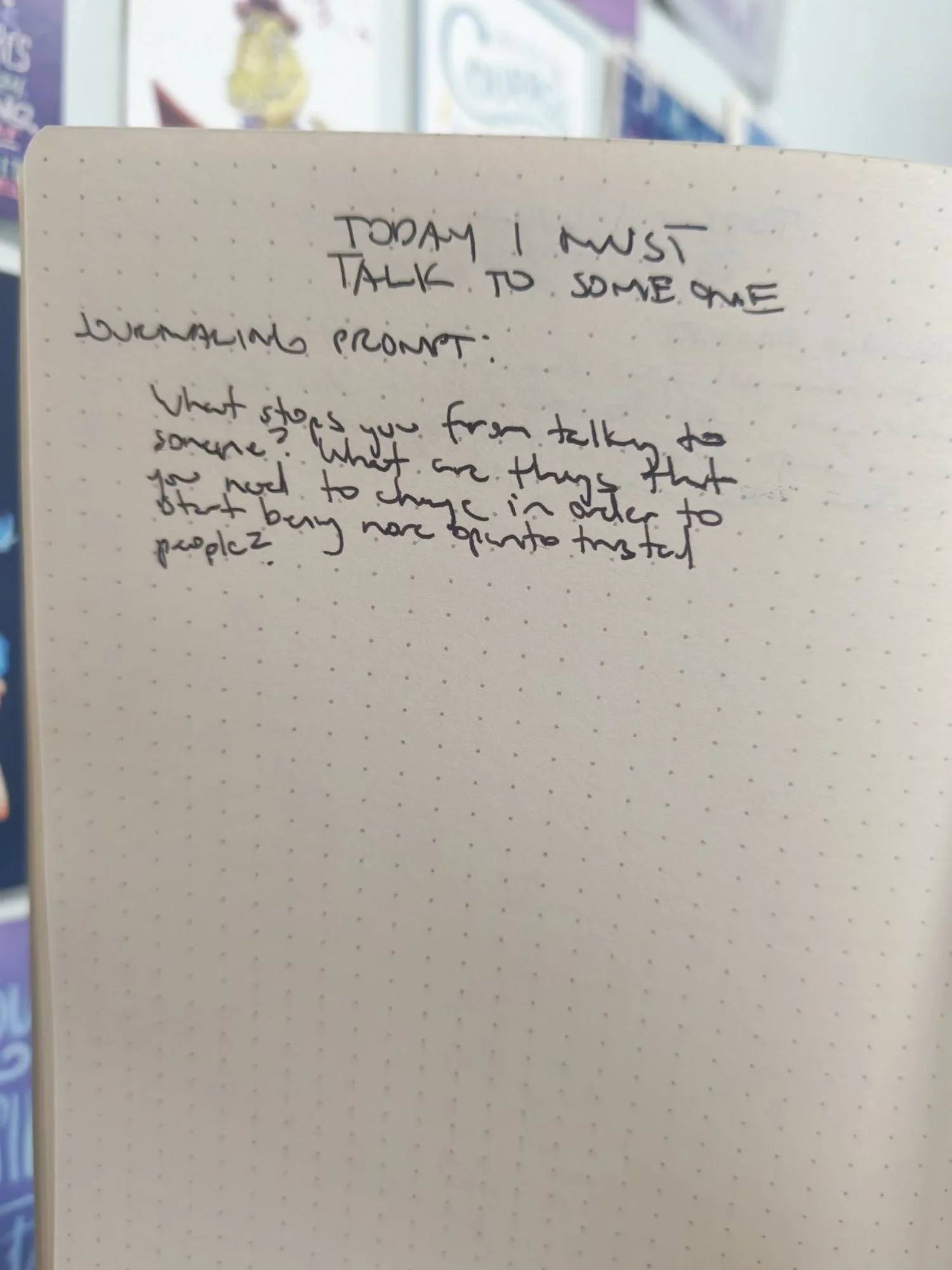
JOURNALING PROMPT

What stops you from talking to someone even though you know you’re not handling your situation well? What are things that you need to change in order to start being more open to trusted people?


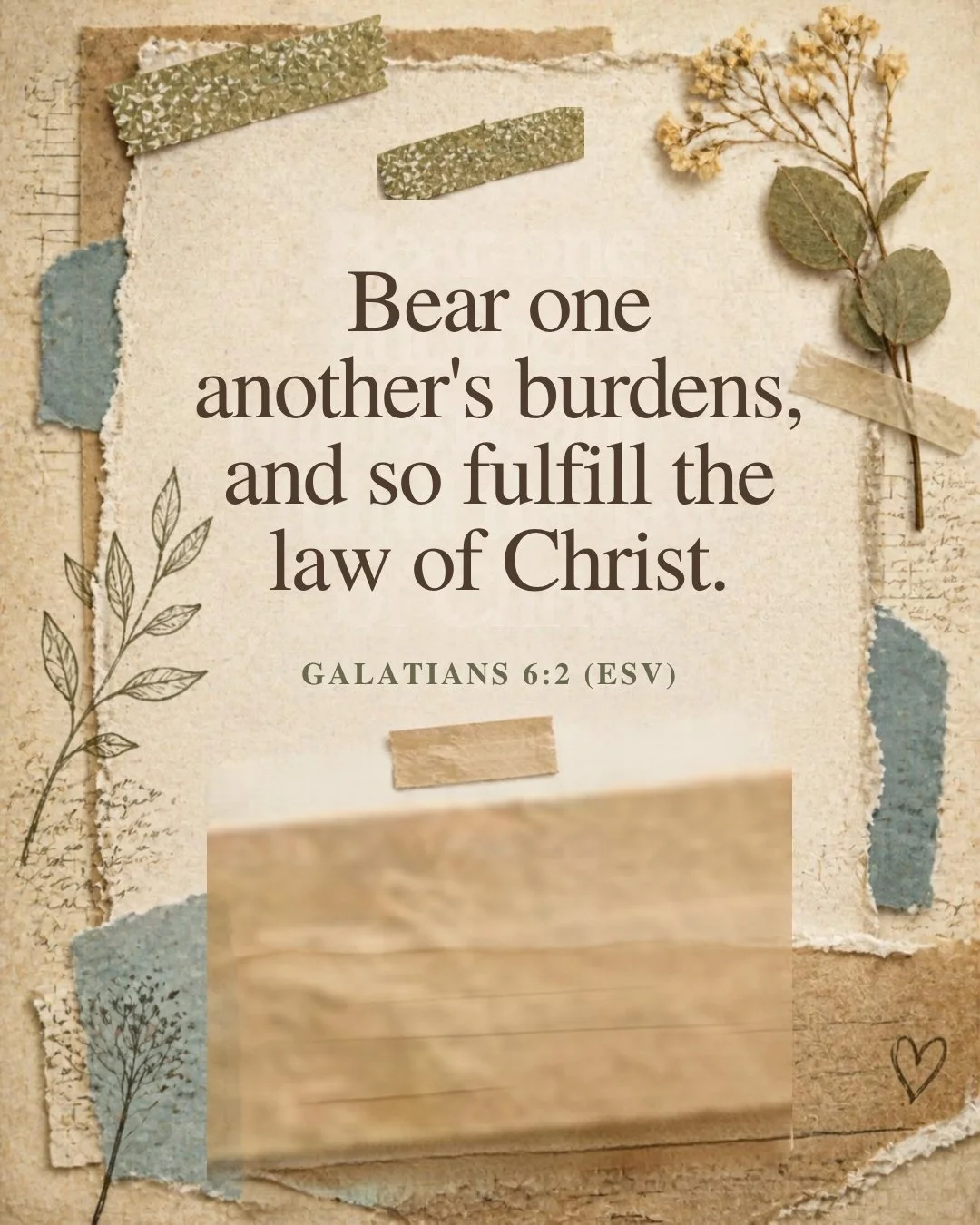
“Bear one another's burdens, and so fulfill the law of Christ.” Galatians 6:2 (ESV)

Today I Must Plan Ahead

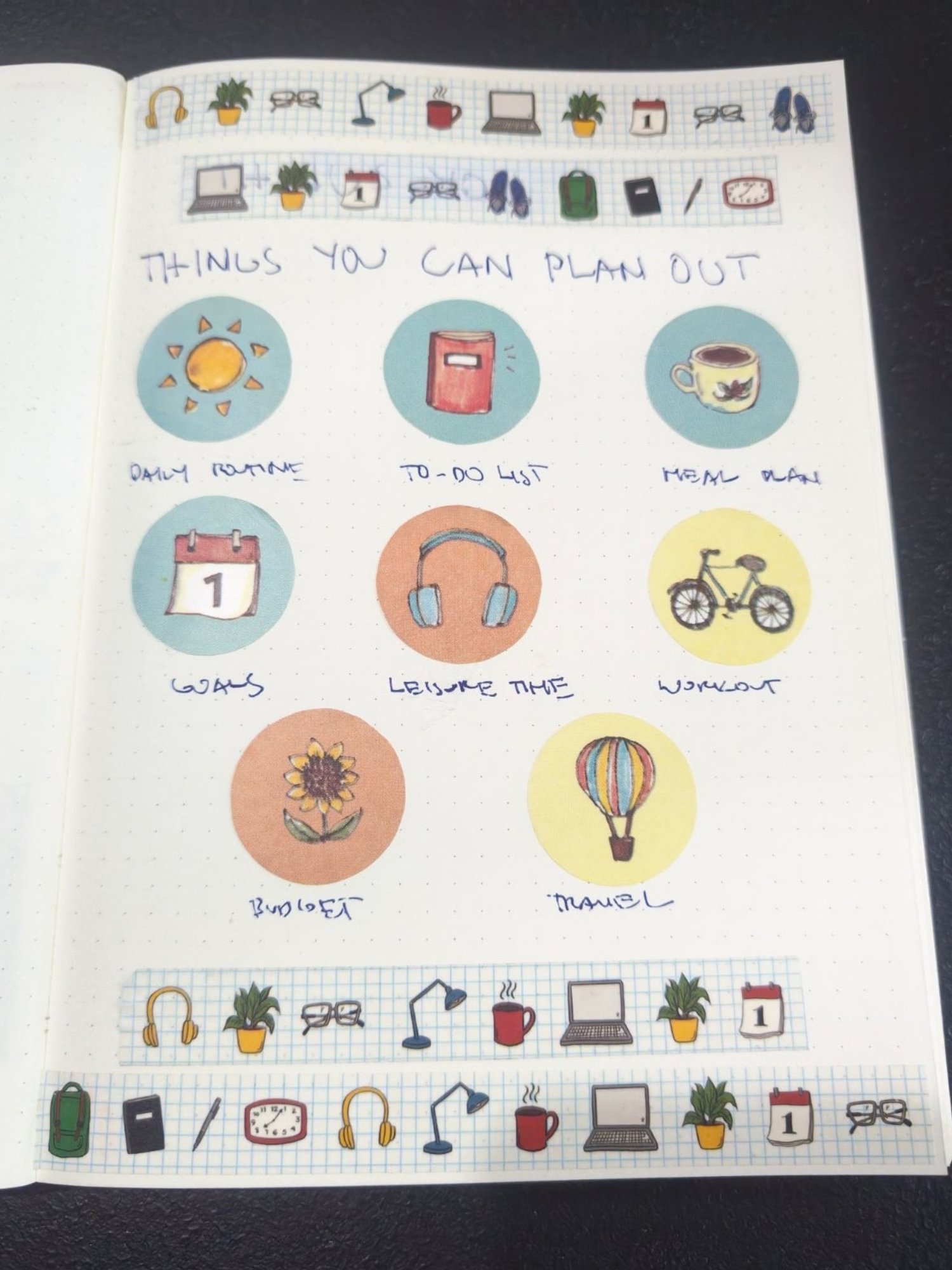
I am not the most organized person in the world. One glance at my apartment (please don’t look) will prove that. But when it comes to my planners, there’s a certain joy that I feel when I sit down and plan out my month, week, or even my day. The past year, I didn't have much to write in my schedule since I'm working from home most of the time, but I do plan out future things I plan on doing, live sports events I'm watching, even shows or books I'm planning to consume. At the beginning of each day, I also write out all the things I need to finish and there’s satisfaction in crossing out things from that list. Planning things out means that you’re trying to create order in a world of chaos. But it doesn’t mean that you will not be flexible when things don’t go to plan (although sometimes, I am annoyed when things have to be canceled). It’s also important to learn to adjust to changes and disruptions and not stubbornly stick to things just because it’s written in your planner. 

Writing things out when you plan actually helps your brain improve the encoding process and these things gets stored in our long-term memory. Don't take my word for it, neuroscience says so. That is why it’s also important to write down your goals, priorities, and things you want to accomplish instead of just saying “It’s just there stored in my head”. In the long run, they might disappear, especially as you get older. It also helps to create plans for each goal so that they won't remain just in your bucket list. Planning things out for both the simple things and the big life plans will help you reach those goals eventually.


IF YOU WANT TO DO SOMETHING:

Write down your schedule, goals, and targets for the month, both professionally and personally. Place it somewhere where you usually see it so you won’t forget it. It may be your cork board, your desk, or a planner that you open daily. It doesn't have to be something aesthetic or instagrammable or well-written. It can just be a running list, bullet points, or a calendar format. The important thing is to take a look at it and check or cross things out once you've done them.


JOURNALING PROMPT:

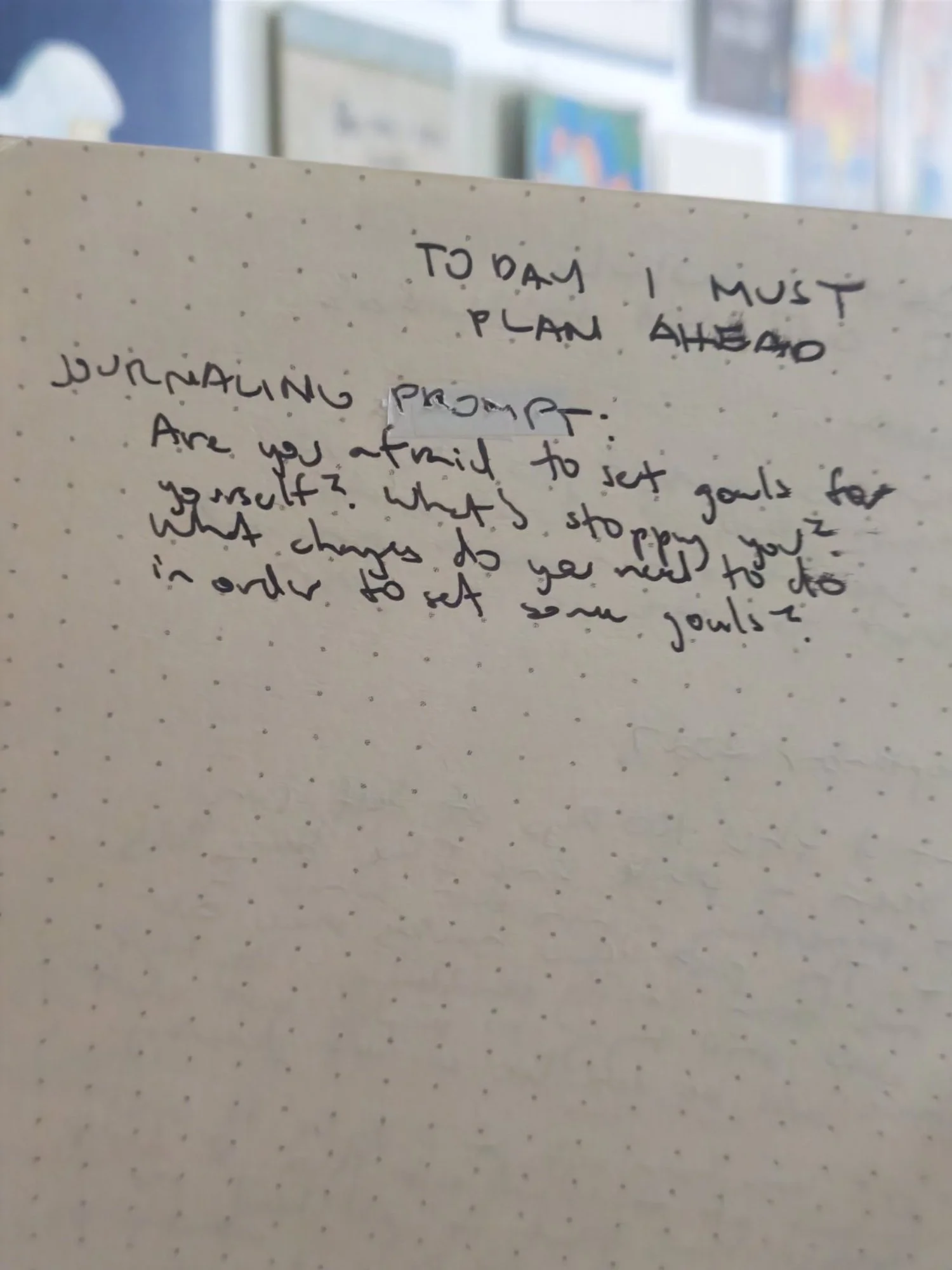
Are you afraid to set goals for yourself? What’s stopping you from doing so? What changes do you need to do in order to be more goal-oriented?